
When people hear the phrase “shock collar,” they typically imagine a terrifying image: a dog screaming in pain, fur stained with smoke escaping its ears. It’s not the reality. Shock collars sometimes referred to as electronic training collars or electronic collars, are devices specifically designed to train dogs. But, they are accompanied by several misconceptions that can lead to heated debates over their safety and efficacy. We’ll look at the truth behind shock collars: Do shock collars hurt dogs?

Wondering how to calm your dog during thunderstorms? Explore effective tips and techniques to ease your dog’s anxiety, from soothing methods to natural calming aids.
What Are Shock Collars and How Do They Work?
Shock collars first came into use in the 1960s, mostly for training hunting dogs. The first versions had only a single, high-level setting, earning the well-known “shock collar” name. With time, advances in technology have turned these devices into advanced tools that can be tailored to a dog’s temperament with diverse options and security features.
Modern E-Collars: More Than Just a Shock
These days, e-collars are far from their earliest predecessors. They’re available in a range of settings, usually offering 127 stimulation levels. This allows pet owners and their trainers to alter the intensity according to the dog’s individual temperament without causing unnecessary discomfort.
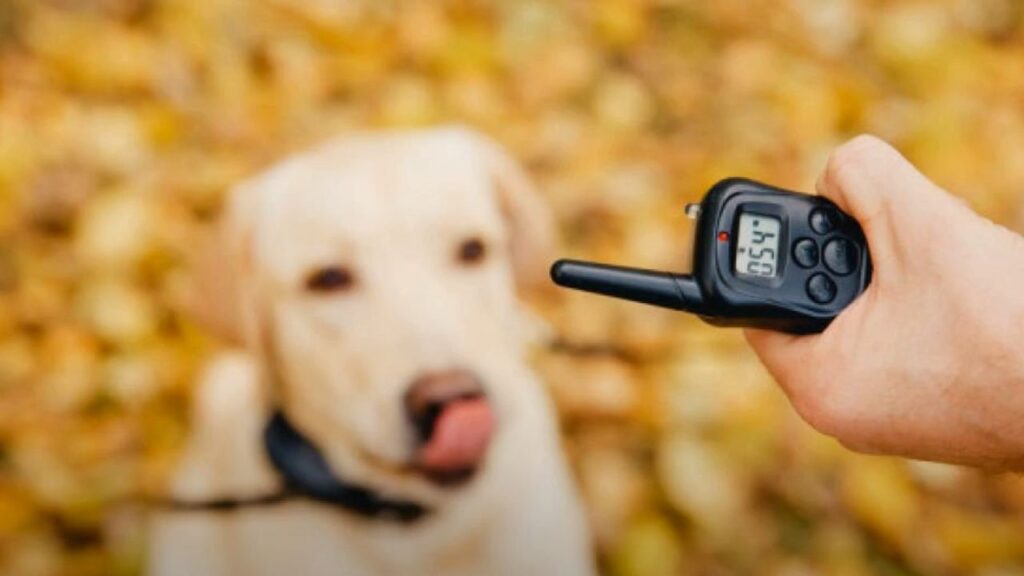
Modern collars are also equipped with “Momentary” (Nick) and “Continuous” modes, as well as safety shut-offs that will stop any prolonged stimulation. In addition, the majority of modern e-collars come with tone-only and vibration modes, which can be used to warn or as primary tools for training and reduce the need to use static shock in any way.
Find the top calming collars for dogs that melt away anxiety and stress. Discover the best picks to keep your furry friend calm, cool, and collected in any situation.
What is the Sensation of a Shock Collar?
The word “shock” can be misleading. An accurate description of the feeling could be like moving the neck of your pet’s neck using your fingers. It’s a nagging but harmless tingle that draws the dog’s attention but doesn’t cause discomfort. This static pulse was created to be unpleasant but non-stressful, and the majority of dogs soon begin to associate it as a way to stop undesirable behavior.
Manufacturers such as E-Collar Technologies have even developed “Wide Pulse” stimulation technology that delivers an empathetic, controlled static pulse that is like the electrical stimulation utilized for physical therapy. This makes sure that the impact of the collar isn’t too strong and doesn’t go deep into muscle tissue, which makes it safe to use on dogs.
Do Shock Collars Hurt Dogs: Common Misconceptions About Shock Collars
So, do shock collars hurt dogs? Many misconceptions about shock collars exist. They are usually propagated by people who have no knowledge of or not even a basic understanding of the equipment. Let’s look at the top commonly held misconceptions.
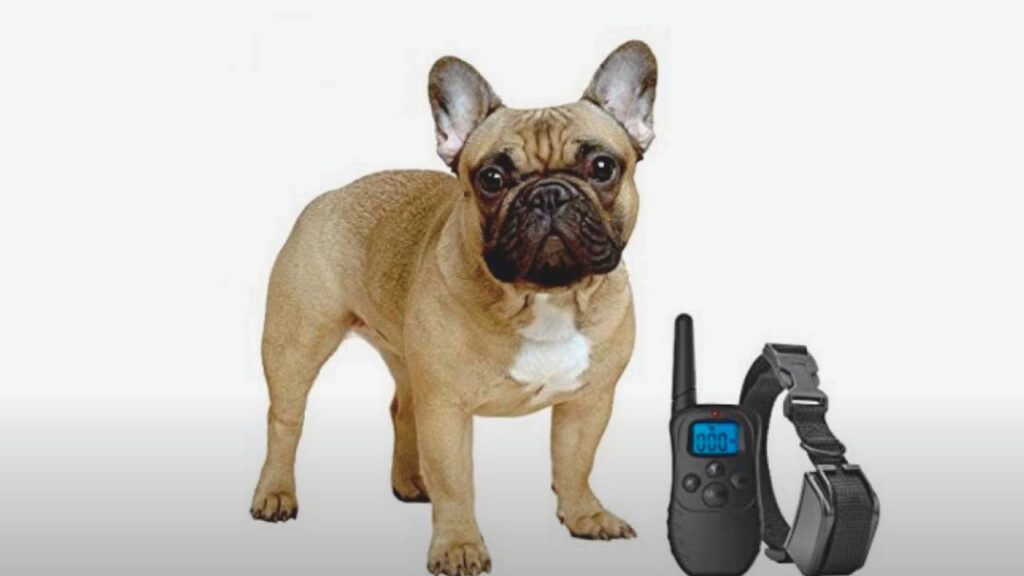
1. Shock Collars Are Cruel and Inhumane
One of the longest-running misconceptions has been that collars with shocks are cruel. When employed correctly, e-collars were not intended to hurt dogs. They’re tools to communicate and benefit from stopping undesirable behaviors through mild discomfort. Using training tool, the main thing is responsible use.
2. Shock Collars Cause Physical Harm
Many people are concerned that shock collars could cause physical injury to a dog’s neck or muscles. However, the static pulse of a modern electronic collar isn’t powerful enough to cause any damage. The technology of wide pulses used in today’s collars can be compared to a therapy stimulus but is not able to penetrate deep into the tissues.
3. Shock Collars Are Ineffective Compared to Positive Reinforcement
Positive reinforcement is a powerful teaching method. However, it’s not desirable for all dogs in all situations. Certain breeds, especially those with a history of behavioral problems, might require more precise feedback than an e-collar can provide. Desirable training programs often include both positive reinforcement and corrective tools, such as collars, to achieve a long-lasting and balanced outcome.
Revamp your pet’s diet with wholesome ingredients and irresistible taste! Explore top tips for boosting your furry friend’s nutrition with delicious, healthy food choices they’ll love.
When Is It Appropriate to Use a Shock Collar?
The decision about when to use a shock collar is vital. Not all dogs are suitable for an e-collar, and a bad choice could cause anxiety or fear in dogs. Here are some key factors to take into consideration.

1. Age: When Is a Dog Old Enough?
The right age for beginning together the shock collar is usually approximately the age of six months. Younger puppies might not have the mental capacity to comprehend the correction, or their brains might not be developed enough to handle even the slight stimulation of a collar.
In the first six months, puppy training should be focused on techniques for positive reinforcement that include whistles or clickers. These basic training techniques prepare your puppy for further training in the future.
2. Temperament: Is Your Dog Ready for E-Collar Training?
The dog’s temperament is a major factor in determining if an e-collar is the right choice. Factors like the breed of dog, genetics, and socialization experience can affect the response of a dog to an e-collar. Some dogs are more fearful or sensitive due to their nature, which makes them inappropriate applicants for training with e-collars.
Before putting together an electronic collar, it is crucial to determine the dog’s temperament and training background. If your dog is of an affable temperament but is exhibiting dangerous or destructive behaviors, a shock collar could be a useful tool to correct the behavior. However, alternative methods of training are recommended first for extremely sensitive dogs.
3. Behavior: Addressing Specific Issues
Shock collars are particularly effective in dealing with certain behavior issues that haven’t resulted from other training methods. This includes behaviors like extreme barking, aggressive behaviors, or risky behaviors like the habit of chasing cars. It is important to utilize the collar as an element of a total program that includes positive reinforcement and easy-to-understand communication.
The ultimate purpose of any method of training is to ensure the dog’s satisfaction and health satisfaction and health. They should also be happy and well-behaved. If you take the proper strategy, a collar with a shock is a secure and efficient device for benefit, and you actually achieve the desired outcome. Do dental care for your dog to maintain good teeth health.
How to Use a Shock Collar Safely and Effectively
Adhering to desirable methods and considering the dog’s health throughout the day is crucial to warrant the safety and efficacy of using a collar for shock. Here’s the correct way:

1. Start with the Lowest Effective Setting
Begin your training with the smallest amount of stimulation that will get your dog’s focus. Many modern electronic collars allow you to control the intensity so you can determine the amount that works without being overly stimulating. Make sure you are watching your dog’s behavior to ensure that it does not show symptoms of stress.
2. Use the Collar for Short Training Sessions
E-collar training should take place in brief, concentrated sessions. In the long run, it can cause confusion or anxiety, especially if your dog isn’t aware of the reason for correcting a behavior. Begin with sessions that last five to ten minutes, then gradually boost the duration until your dog grows more comfortable with the learning process.
3. Use in Conjunction with Positive Reinforcement
To get the most out of the e-collar, you must always combine it with positive reinforcement. If your dog does the right thing with the collar, you should immediately give them praise, treats, or even playtime. This will help your dog learn that good behavior can lead to positive results, whereas unintentional behavior pays off in minor discomfort.
4. Ensure Proper Fit and Placement
The collar needs to be correctly fitted to ensure that it functions correctly. It should fit snugly but not overly tight so that you can fit two fingers between it and your dog’s neck. The contact points must be placed on top of the dog’s neck, just under the jaw, to ensure constant touch with the skin.
5. Follow Through with Commands and Corrections
Consistency is the key to any dog-training program. Try identical commands and corrections each time so that your dog understands exactly what to do. A lack of consistency in the use of the collar may confuse you and disrupt the learning process.
Keep your small dog’s smile sparkling with the best toothbrushes for dogs! Discover top-rated options designed for tiny teeth to ensure effective cleaning and a healthy mouth for your furry friend.
Addressing Common Concerns About Shock Collars
As with all training tools, dog owners are bound to have questions about using shock collars. Here are some suggestions for commonly asked questions that will help you relax your mind.

1. Is My Dog Big Enough to Train with a Shock Collar?
Your pet’s size and maturity are vital aspects to consider. Smaller dogs or puppies could be more sensitive to the collar’s effect. If you’re not sure, start by pairing a lower setting and observe your dog’s reaction attentively. Collars specifically designed for smaller breeds are offered for dogs less than 20 pounds.
2. Are There Hidden Risks Associated with Shock Collars?
If properly used, shock collars can be secure. However, misuse, like setting the stimulation too high or using the collar excessively, can cause stress or discomfort. Follow the manufacturer’s guidelines and seek advice from a competent instructor if you are not sure about the proper use and care of your collar.
3. Are Shock Collars Truly Effective?
Many dog owners and trainers have discovered shock collars to be extremely effective, especially when other methods of training have not worked. The effectiveness of the collar depends on how it is employed. If it is used in conjunction with a good training program, it can swiftly correct undesirable behaviors and help reinforce positive ones.
Wrap-Up:
When used appropriately and in a safe manner, it can be a useful instrument in the dog’s training arsenal. They aren’t designed to harm dogs but to allow them to communicate in a way they can comprehend. With a mild, variable static pulse or vibration shock, collars are able to stop unwanted behaviors and encourage positive ones.
It’s crucial to be aware that shock collars aren’t an all-purpose solution. They must be utilized in conjunction with a larger training program that incorporates consistent reinforcement, positive reinforcement, and transparent communication. If you’re thinking of an electric collar for your pet, make sure to know how it functions, assess your dog’s behavior and training requirements, and speak with a well-qualified person if necessary. Hope so, now you know the answer to “Do shock collars hurt dogs?”