
Bark collars are a popular tool for managing excessive barking dogs. They offer a range of options designed to benefit and teach your dog. But many pet owners get unhappy when their dog’s collar isn’t performing as they would like. Knowing why a collar may not be working well is vital to ensure that it is serving its function. So, why doesn’t my dog’s bark collar work?
Why Doesn’t My Dog’s Bark Collar Work?
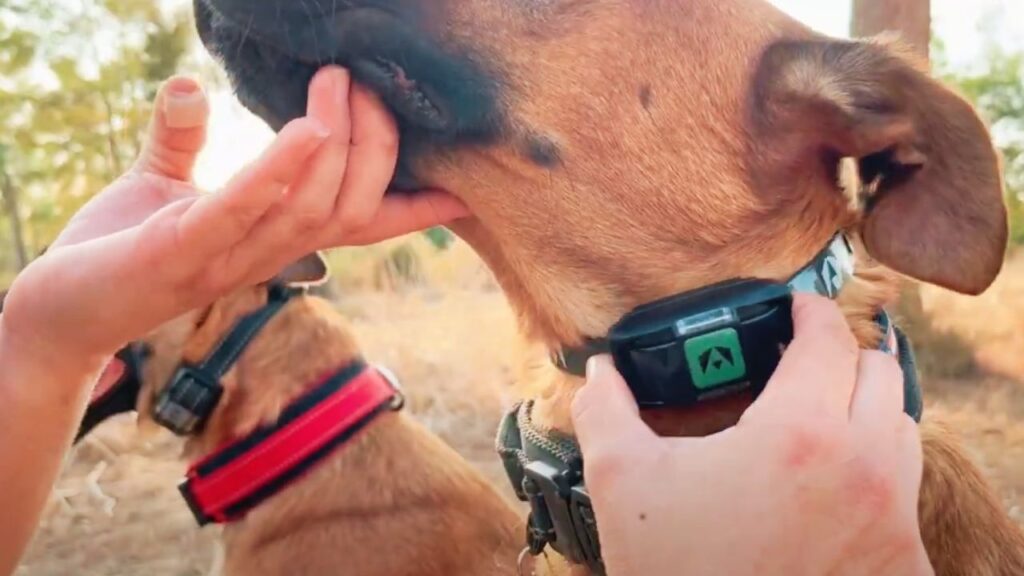
The collar you choose to wear is either too loose or too tight, and it could be ineffective. If the collar is not tight enough, the sensors or microphone might not be in constant contact with your dog’s skin or be positioned correctly to recognize barking.
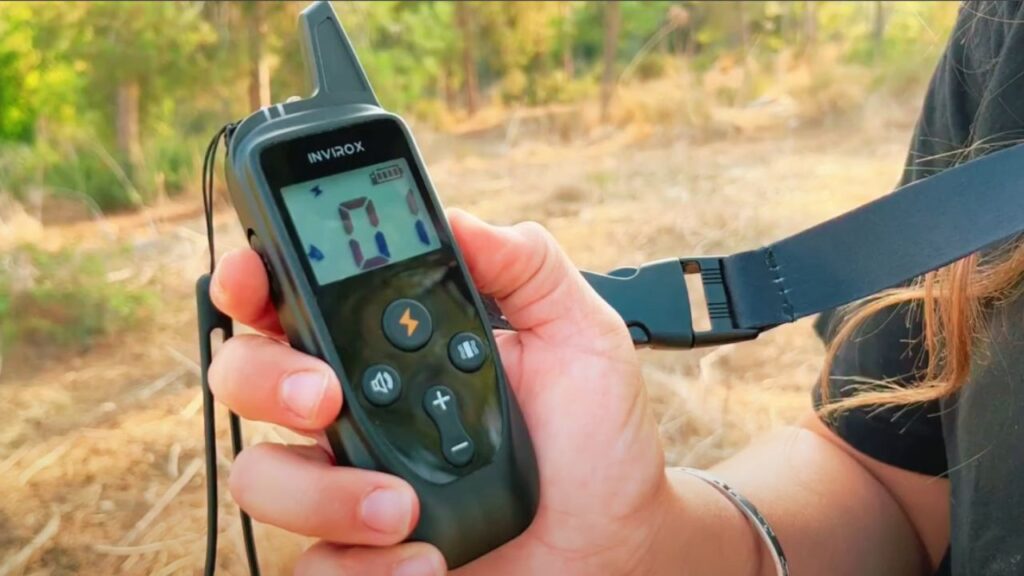
In contrast, a collar that is too tight could create discomfort and cause inaccurate readings or even stop the collar from operating completely. Learn about the potential effects of shock collars on dogs and whether they can cause harm.
7 Reasons Your Dog’s Bark Collar Doesn’t Work
Examine the reason and time of when and why your dog barks. Do you notice it happens when you’re away, in the course of play, or when you’re in the vicinity? Knowing these triggers can help you choose the correct collar sensitiveness and correction mode. Are barking collars effective for managing excessive barking in dogs? Explore the pros, cons, and various types of bark collars to determine their effectiveness for your pet.
Here are seven reasons why your dog’s collar may not be functioning properly:
1. Improper Fit
A collar that is not properly fitted is a frequent issue that can seriously affect your dog’s performance. When the dog’s collar becomes snug enough, the microphone or vibration sensor cannot recognize your dog’s barking precisely. However, when the collar is not tight enough, it could cause irritation and not function properly. Making sure it is set to the correct size is essential to its efficiency.
2. Incorrect Settings
Many collars have adjustable settings, like levels of sensitivity and different modes (vibration and citronella, sound, etc.). If the settings aren’t correctly adjusted to meet your dog’s needs, the collar might not function efficiently. For example, if the setting is set too high, your collar might not be activated whenever your pet barks. If it’s overly sensitive, the collar could respond to other sounds or stop working.
3. Battery Issues
Battery issues are another common reason for malfunction. A collar with a dead battery won’t perform as it should, then check the battery’s life regularly and replace it when required. If the collar has rechargeable batteries, ensure the batteries are charged prior to use. The battery’s issues are frequently ignored, and it’s important to take care of your batteries properly.
4. Environmental Factors
Other environmental factors can also impact the effectiveness of a dog’s bark collar. Background noises can be disruptive to the microphone and make it challenging for your collar to discern your dog’s barking from other noises. If there is enough noise or dogs barking around the collar, it may not perform as expected. In addition, interference from electronic devices and other devices could affect the effectiveness of the collar.
5. Dog’s Barking Style
Different dogs bark similarly, and this could affect the effectiveness of a collar. Certain breeds are prone to soft or sporadic barks that are not recognized using certain collars, particularly those that rely on vibration or sound. Dogs that exhibit distinct barking patterns may require specific settings or collar styles to be efficient. Knowing the barking pattern of your dog will help you select the appropriate collar and setting.
6. Collar Maintenance
Regular maintenance is crucial to warrant that a bark collar is in good condition. Dust, dirt, and wear and tear may alter the collar’s effectiveness. Clean the collar often according to the manufacturer’s instructions and look for indications of malfunction or damage. Making sure your collar is maintained will prevent the occurrence of many problems.
7. Collar Quality
A bark collar’s quality may dramatically impact its performance. All collars are not created to be alike, and the differences in the quality of build, technology, and features will affect the way in which the collar performs. A high-end collar from a reliable brand can result in a significant difference in effectiveness. Lower-quality collars may not impart regular payoff or might not have the essential features required to handle your dog’s barking. Discover effective methods to calm your dog during thunderstorms with helpful tips.
How to Properly Use a Bark Collar?
Bark collars can be useful devices to control excessive barking; however, their effectiveness is contingent on how they’re utilized. Proper use will ensure that the collar works exactly as it should and helps your dog master the desired behavior without creating excessive tension or discomfort. Here’s a complete guide on how to use a bark collar to achieve an accurate outcome:

Know Your Dog’s Needs
Before putting together a barking collar, it is essential to know your dog’s barking behavior and requirements. The reasons for barking aren’t all similar; some dogs bark because of stress, boredom, or even territorial reasons, while some bark to alert or get attention. Finding out the reason for your dog’s barking can help you decide on the best collar and training method.
Choosing the Right Bark Collar
Selecting the correct bark collar is vital for successful training. There are a variety of types available, including citronella, electronic, and ultrasonic collars. Each model is different and desirable, suited to specific requirements.
- Electronic Collars: These can be utilized with either gentle shocks or vibrations. They can be adjusted, which allows you to alter the intensity level according to the sensitivity of your dog. They are beneficial for dogs that have constant barking problems, but they should be used with care.
- Citronella Collars: The collars emit the scent of citronella whenever your pet barks. The scent is unpleasant; however, it is not harmful, which makes this the perfect opportunity for dogs who are sensitive to vibration or sound.
- Ultrasonic Collars: They emit a high-pitched sonic that is unheard of by humans but a bit irritating to dogs. They may be useful in dogs that aren’t at all sensitive to other collars.
- Talk to Vet: If you’re uncertain about which breed you should choose that is perfect for your pet, speak to your vet as well as a competent pet trainer. They’ll be able to grant advice according to your dog’s requirements and behavior. Explore the top-rated calming collars for dogs to help ease their anxiety and stress.
How to Do Proper Fitting and Adjustment of Dog’s Collar?
In order for a bark collar to work, it has to be correctly fitted. An unfit collar could result in ineffective training and discomfort for your pet.
- Adjust the Fit: The collar should be snugly positioned against your dog’s neck but not too tight. It should be possible to squeeze 2 fingers in between the collar and the neck of your dog. Make adjustments to the collar so as to ensure that the microphone or sensor is in the correct position to sense barking.
- Check For Comfort: Ensure the collar isn’t causing any discomfort or irritation. If your dog is showing signs of discomfort or irritation to the skin, check the fit and follow the instructions of the manufacturer for safe use.
How to Set Up the Dog’s Collar?
Once the collar is fit, the second step is to put it in place compatible with your dog’s requirements. This includes adjusting the sensitivity and correction levels.
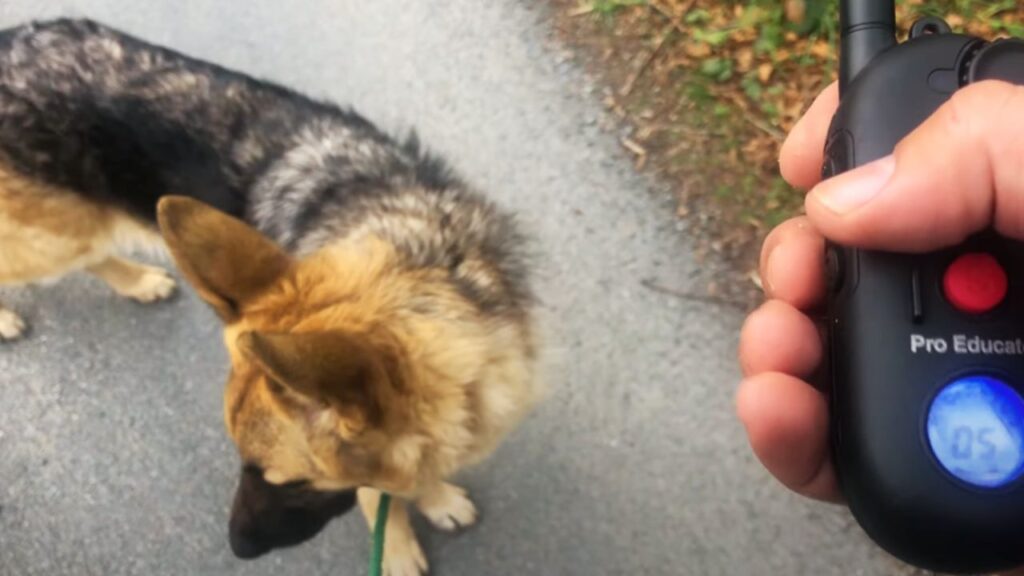
- Select the Correct Mode: Most bark collars include different options, including vibration sound or spray. Select the one that accurately fits your dog’s temperament for barking. For instance, if your canine is sensitive to noises, an ultrasonic collar could be an excellent choice.
- Change Sensitivity Levels: Adjust the level of sensitivity in accordance with how easily dogs bark. If your collar is over-sensitive, it might respond to background noises and another dog. If the collar isn’t sensitive enough, it may not react to barks from your dog. Begin by reducing the threshold and then gradually boost the level if necessary.
- Check Your Collar: Before putting together the collar for your dog, try it out to ensure that it functions correctly. Verify the condition of your batteries and ensure you are sending the correct type of correction. Also, make sure that it works as intended whenever your pet barks. Improve your dog’s oral health with essential dental care tips.
How To Introduce the Collar to Your Dog?
The dog’s collar must be introduced gradually to ensure that it gets used to it and is not stressed.

- Positive Reinforcement: When first introducing the collar, use the positive effect of reinforcement in order for positive reinforcement to benefit your pet and associate wearing it with pleasant feelings. Reward your dog with treats and praise every time you wear the collar and aren’t manifesting any sign of discomfort.
- Short Sessions: Start with brief wear sessions, then gradually increase the duration of wear until your dog is accustomed to the collar. Check your dog’s behavior and adjust if necessary to ensure they’re at ease.
- Be Aware of Your Dog’s Behavior: Pay close attention to your dog’s reaction towards the collar. Check for signs of discomfort or discontent and adjust as needed. If your dog is stressed, think about consulting a competent person to get guidance.
How to Train Your Dog Using the Collar?
The use of the collar for barking energetically requires proper set-up and regular training.
- Consistency is the Key: Consistency in training is vital to achieving success. Make sure to use the collar regularly when your dog barks and refrain from using it to punish your dog. Instead, concentrate on it to encourage calm behavior.
- Mix with Training: For perfect results, combine the use of the bark collar with other methods of training. Train your dog to obey commands like “quiet” or “satisfying” and then use the collar to strengthen these commands. Positive reinforcement, like praise and treats, should be employed to encourage your dog to respond to commands.
- Adjust as Needed: Be prepared to alter the settings of the collar depending on the response of your dog. If you think the collar is rough or unresponsive, you should consult the manufacturer’s instructions or seek the advice of a competent trainer. Find the best grooming brushes to keep your dog’s coat shiny and healthy.
Wrap Up
Finding out why your dog’s collar may not be functioning can be the initial step to solving the issue and achieving a successful training outcome. The most common causes of malfunction are an incorrect fit, improper battery settings, environmental factors, and variations in barking.
Regular maintenance and selecting the desirable collar for your dog can contribute to maintaining its effectiveness. Hope so, now you got the answer to your question: Why doesn’t my dog’s bark collar work? Understand why maintaining your dog’s dental health is crucial for their overall well-being.