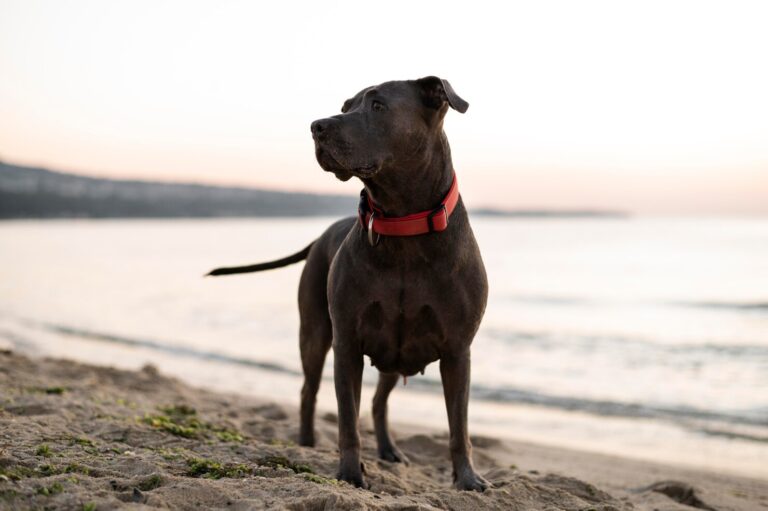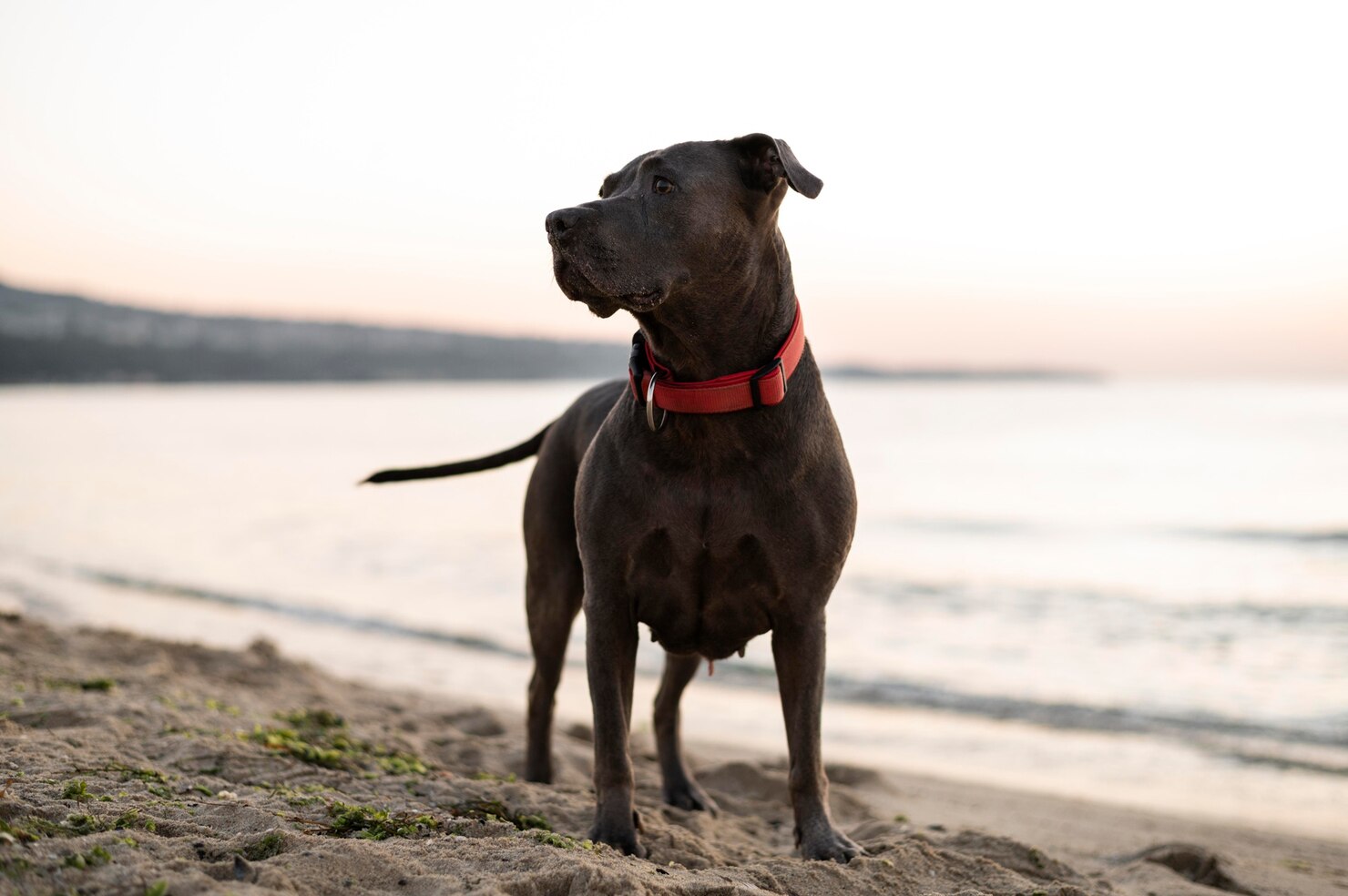
For many dog lovers, it’s almost impossible to resist petting every cute dog they come across. The natural instinct to interact with a furry friend is strong, but sometimes, it’s essential to be cautious. There are certain situations where it’s best to avoid getting too close to a dog, especially if the dog’s owner has given a warning. For example, a dog wearing a red dog collar may be signaling that it is not comfortable with strangers, so it’s important to respect the owner’s boundaries.
One commonly overlooked warning is the color of a dog’s collar. A red collar, bandana, or leash can serve as a significant signal to stay away, and it’s crucial to recognize what this color means.
What a Red Dog Collar Means for a Dog
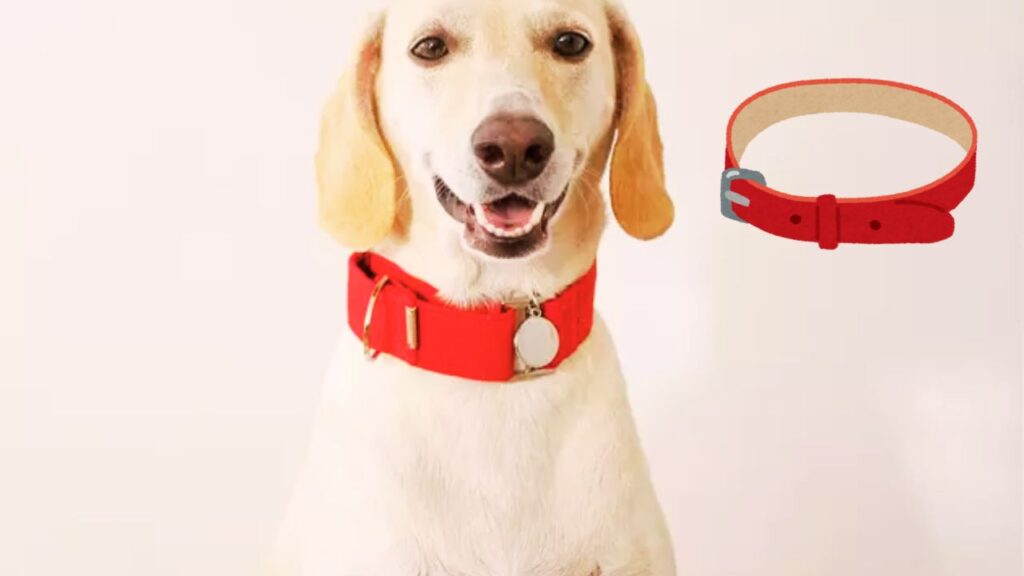
A red collar isn’t just about style; it can serve as an important signal from the dog’s owner to give the dog some space. Veterinarian Dr. Brian Evans explains that a red collar often indicates that the dog might be aggressive or overly protective. To learn more about common dog behavior issues and how to manage them, visit the American Kennel Club’s guide on training.
This doesn’t necessarily mean the dog is dangerous at all times, but it may react aggressively to unfamiliar people, situations, or animals. These dogs may snap, lunge, or even bite when they feel threatened or uneasy, particularly in public settings.
Interestingly, a dog wearing a red collar may be calm and well-behaved at home with its owner, but when out in the world, it might feel the need to protect its territory or loved ones. The red collar serves as an effective and non-verbal way for owners to communicate that the dog should not be approached without caution.
Color Codes for Dog Behavior: More Than Just Red
The use of colors to communicate a dog’s behavior is a concept that’s been around for a while. Various organizations have adopted color codes to help both dog owners and strangers interact safely with dogs.
These codes provide valuable information for anyone who may encounter a dog, ensuring that everyone can have a safe and positive experience. Here’s a breakdown of the color codes that signal different dog temperaments:
- Yellow: Dogs wearing yellow may be nervous, anxious, or easily startled. These dogs can be unpredictable, so it’s important to approach them slowly and with care. While you don’t need to avoid them completely, it’s essential to give them the space they need.
- Green: A green collar typically indicates that the dog is friendly and approachable. However, it’s always a good idea to ask the owner for permission before petting the dog. It’s courteous to ensure that the dog is in the mood for interaction.
- Orange: Dogs wearing orange collars usually don’t interact well with other animals. If you see a dog wearing an orange collar, keep your distance as they may not be the best companion for your dog, especially if they’re aggressive toward other animals.
- Blue: Blue collars are often worn by service dogs or dogs in training. These dogs are working, and it’s important to respect their role. Petting or distracting a service dog can interfere with their training or work, so always refrain from interacting with them unless the owner permits.
What to Do When You See a Red Dog Collar

If you encounter a dog wearing a red dog collar, it’s crucial to err on the side of caution. While the dog might not necessarily be aggressive, the red dog collar is a clear indication that the dog may be uncomfortable with strangers.
It’s always a good idea to keep your distance and observe the dog’s body language. If you’re still unsure, ask the owner for permission before attempting to approach or pet the dog. For more information on how to approach and understand dog behavior, check out this comparison between a dog trainer and a dog behaviorist: Dog Trainer vs. Behaviorist.
Respecting a Dog’s Boundaries: The Importance of Asking First
Regardless of what color collar a dog is wearing, the most important thing to remember is to always ask the owner for permission before petting a dog you don’t know. Not all dogs are social, and some may be more sensitive to touch or unfamiliar faces. By recognizing the subtle cues that dogs and their owners use, such as collar colors, you can help make sure that interactions are safe and enjoyable for both you and the dog.
Conclusion: Stay Safe and Be Mindful
In conclusion, while the temptation to pet every dog you meet is strong, it’s essential to pay attention to the subtle signals that might indicate a dog needs space. The color of a dog’s collar is one of the simplest yet most effective ways to communicate their comfort level.
Whether it’s a red dog collar signaling the need for distance or a green collar inviting interaction, being mindful of these signals will help ensure safety. Always remember to ask the owner for permission before approaching, and respect a dog’s boundaries. With a little awareness, you can help create positive experiences for both humans and dogs.