
Many dog owners doubt the effectiveness and morality of using collars to stop dogs from excessive barking. They ask, “Are barking collars effective?”
There are a variety of options to stop barking that don’t necessarily require shocks. Modern versions of these collars vibrate, produce an extremely high-pitched sound, and release smells, making them safer and more friendly alternatives to dogs.
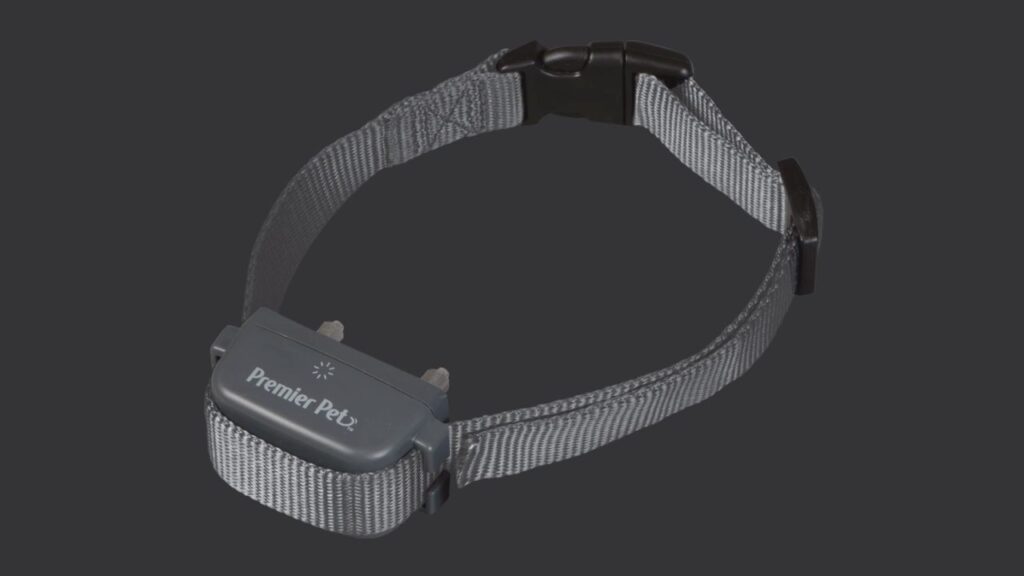
These collars are created to stop barking and provide an incentive to deter dogs from repeating the behavior. While the effectiveness of these collars can differ based on the dog’s temperament and particular circumstances, many dog owners have found that collars are an effective instrument in their routine of training. If your dog bark collar is not working, see this guide.
What Are Anti-Bark Collars?
Anti-bark collars are specially designed to stop excessive barking by providing an appropriate stimulus each time dogs bark. In the past, these collars were based on shock, together with an electric pulse to stop barking. However, technological advances have brought about different options that are more nimble and appropriate for various breeds and requirements.
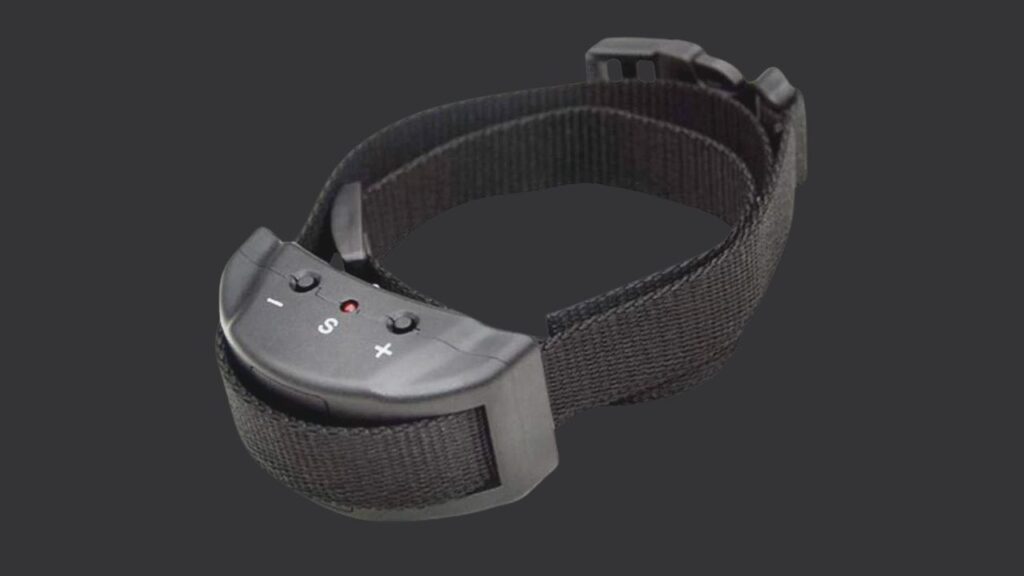
The principle behind collars that prevent barking is to establish an association between barking and nagging but not harmful stimuli. If the collar detects barking, it activates the corrective measure, which could be a sound, vibration, or smell. Over time, the dog is taught to think that barking is a negative experience, which decreases or stops the behavior. If you’re worried about whether shock collars hurt dogs, this guide will help you understand their effects and safety.
What Are the Types of Bark Collars?
Understanding the various kinds of anti-bark collars will help you choose the best one for your dog’s requirements. Below is a description of the most common kinds:
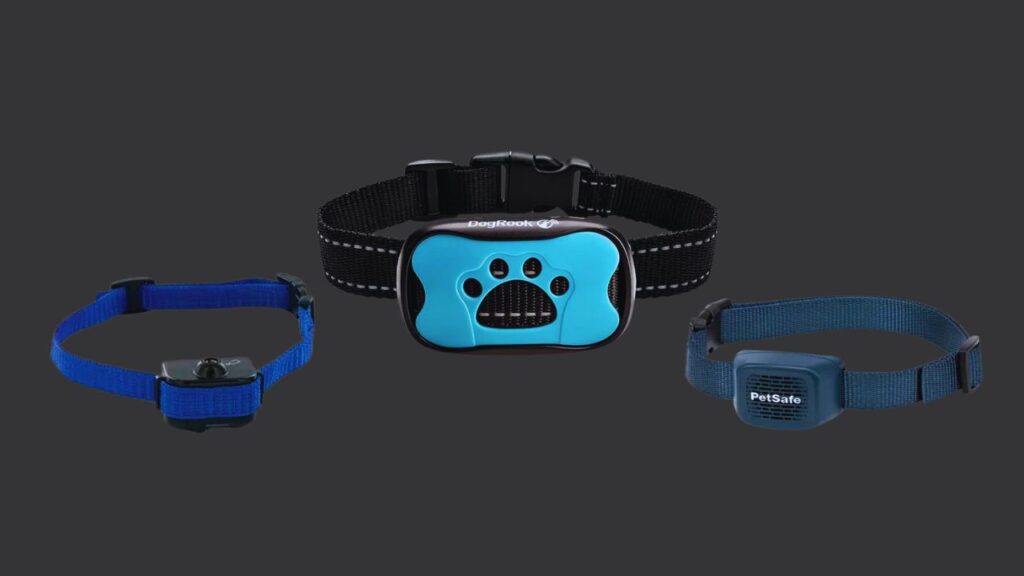
1. Electronic Bark Collars
These collars include electronic ones, which are the most popular kinds. They work together with electrical impulses to stop barking. Although many believe that electronic collars are electric shocks, the latest versions are much more sophisticated.
- They typically have a feature for vibration that can provide physical stimulation to the dog.
- Some models include the choice of a mild shock that is designed to be less violent than the typical electric shock. It is usually utilized as the last option.
- The collars have batteries that power the device, which can be recharged or replaced whenever necessary.
They could also come with more options, like an alarm sound that acts as a signal before the collar delivers a vibration or shock. This lets the dog correct its behavior without having to receive the shock, which can lead to an improved training experience.
2. Citronella Bark Collars
Citronella bark collars combine electronic collars with spray mechanisms to discourage barking. When the collar senses that a dog is barking, it releases a blast of citronella, a smell derived from lemongrass.
The citronella smell can be unpleasant for dogs but is not harmful. The idea is that the smell can distract the dog and prevent the dog from barking. Find out how to calm your dog during thunderstorms with these practical and comforting strategies.
The collars come with a microphone that detects barking. They’re usually adjustable to ensure that the microphone’s sensitivity is in line with your pet’s frequency of barking. Although they are effective for a variety of breeds, citronella collars might not be as effective when the microphone can pick up other sounds or your dog isn’t sensitive to scent
3. Ultrasonic Bark Collars
Ultrasonic bark collars utilize sound waves to stop barking. The collars emit a high-frequency noise that is unpleasant for dogs but not audible to humans. The sound is activated whenever the collar detects barking, and the goal is to stop the barking behavior by creating a distracting environment.
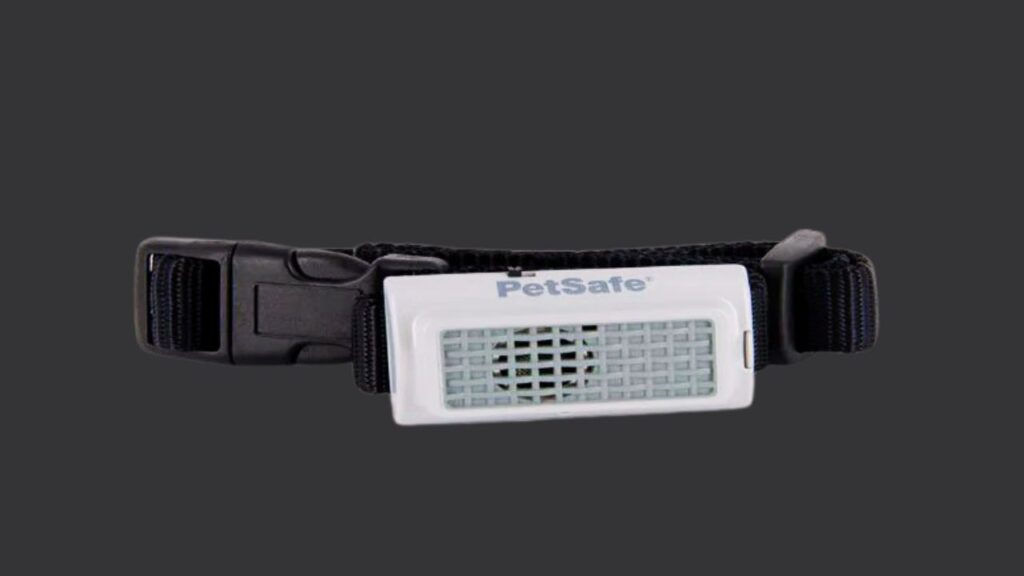
They are powered by batteries that require periodic maintenance in order to ensure that the batteries function effectively. The performance of ultrasonic collars may differ based on the pet’s ability and the surroundings. In some instances, the sound may not be loud, which is suitable to deter barkers who are persistent, particularly if the dog is extremely exuberant or motivated.
Are Barking Collars Effective | Do Bark Collars Really Work?
So, are barking collars effective? The effectiveness of collars that prevent barking is a frequent concern for pet owners. They are effective for the majority of dogs because they bring a consistent and immediate punishment when they bark, which can help them learn to put an end to the barking. The key to success when using anti-bark collars is identifying the appropriate kind and the right setting for your dog’s specific needs.
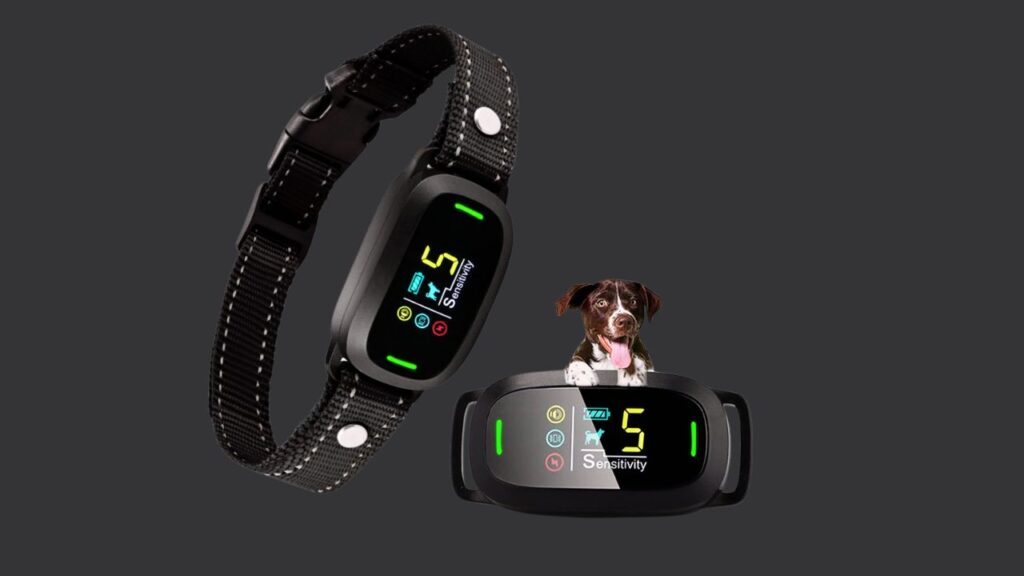
Effectiveness Factors:
- Dog’s Temperament: Certain breeds tend to be more responsive to stimulations offered by anti-bark collars, and others are less sensitive. The effectiveness of the collar can be contingent on the extent to which it is compatible with your dog’s personality and behavior.
- Continuous Training: Consistent use of a collar in conjunction with positive reinforcement may increase its effectiveness. Dogs learn well when they get constant and clear feedback.
- Correct Fit and Settings: It is vital to ensure that the collar is properly fitted and that the settings are appropriate to your dog’s size and temperament. A collar that is not properly fitted or with incorrect settings can affect its effectiveness.
In certain situations, dogs may remain barking despite wearing a collar if barking is motivated by strong reasons like fear or excitement. In addition, certain dogs could develop a habit of wearing the collar with time, which requires adjustments to the collar’s settings or training methods to keep the collar effective. Check out our list of the best calming collars for dogs to find the perfect solution to ease your furry friend’s anxiety.
Are Anti-Bark Collars Cruel?
The issue of whether anti-bark collars can be cruel to animals is a crucial concern for pet owners of all kinds. Although conventional shock collars are criticized for causing physical discomfort, the latest anti-bark devices are designed to be as comfortable as humanly possible.
Key Points:
- Non-Harmful Stimuli: The majority of modern anti-bark collars make use of sound, vibrations, or sprays that don’t inflict physical injury on dogs. The goal is to stop barking instead of causing pain.
- Proper Use: For safe use, the collar must be used according to the manufacturer’s directions and not too high. Collars must be used in conjunction with a wider training plan that incorporates positive reinforcement.
- Alternate Methods: In the case of certain dogs, alternative methods, such as methods for training behavior or distraction, might be better. Anti-bark collars ought to be a choice of many, and their use must be evaluated adequately to the specific dog’s preferences and responses.
Anti-bark collars don’t have to be cruel when used with care. But it’s important to keep track of your dog’s reaction and alter the training method when necessary. Talking with a well-qualified behaviorist or trainer can also give advice on using this method efficiently and with respect for your dog’s needs. Improve your pup’s oral health with our top dental care tips and keep their smile bright and healthy.
What Other Methods Can You Use to Stop Dog’s Barking?
If anti-bark collars aren’t appropriate for your particular situation, or if you would prefer alternative methods, other alternatives are available to deal with excessive barking.
- The Behavioral Counseling Method: Work-related training or behaviorists are able to focus on providing individual guidance and techniques to tackle issues with barking. Counseling for behavior can help identify the root cause of barking and develop an extensive training program.
- Affirmative Reinforcement: Training your dog to follow the commands of others and rewarding it for good behavior could help reduce barking. For example, instructing your dog to follow the “quiet” command and rewarding it for stopping barking can help reinforce the desired behavior.
- Distraction Methods: Engaging your dog with activities or offering treats can help distract it from barking. Keeping it engaged with games or toys may decrease its tendency to bark due to boredom or anger.
These techniques can be used to complement the use of collars with anti-bark features or be used as an alternative in the event that you do not want to wear collars. Combining several methods can improve learning outcomes and address fundamental causes behind barking. Discover the best grooming brushes for dogs to give your pet’s coat the shine and care it deserves.
Conclusion
Anti-bark collars can reduce excessive barking if employed properly and humanely. They come with various options, such as vibrating, citronella spraying, and ultrasonic models, all accommodating specific requirements and preferences. So, hope now your query is answered: Are barking collars effective?
Although these collars aren’t at all cruel, they should be utilized as part of a complete training plan that incorporates positive reinforcement and care for the dog’s well-being. Assessing your dog’s behavior and adapting your training strategies according to its needs will ensure that you get the desirable payoff. Find the perfect undercoat rake for dogs and cats to manage shedding and keep your pets’ coats looking great.
If you are concerned about collars that are anti-bark, looking into alternatives to training or skillful assistance may help provide more assistance. In the end, the aim is to develop an environment that reduces barking and creates a happy and safe environment for your dog.