
Many people ask experts, “How can I calm my dog during thunderstorms?”. If you are a dog lover, it is incredibly painful to watch your normally peaceful dog turns nervous and scared during storms. Certain dogs might show symptoms of anxiety, for example, the paws of their hands being squirmed, while others may become so overwhelmed that they engage in destructive behavior. Understanding why dogs react in such a way and how you can benefit them is essential for their health.
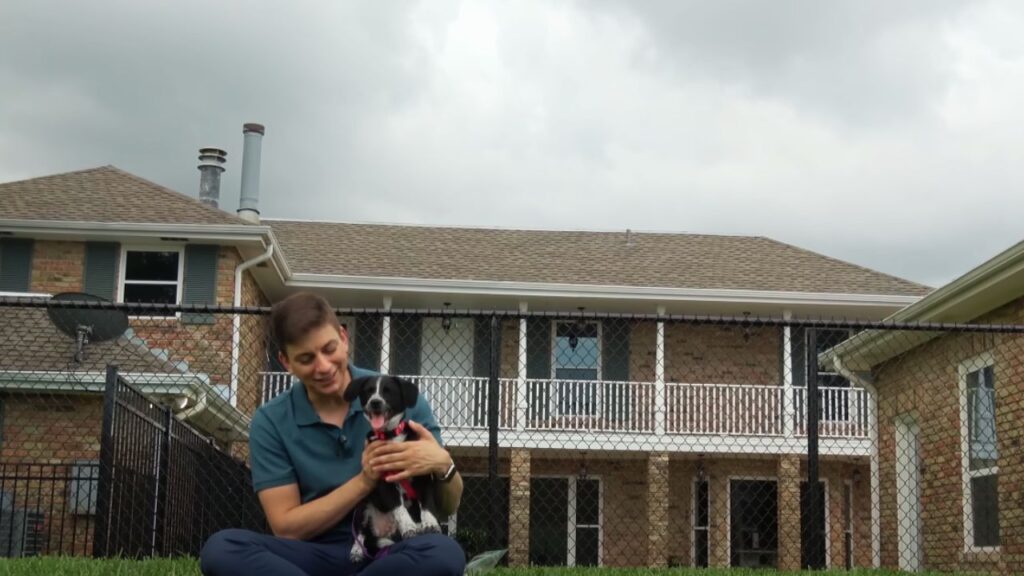
Why Do Dogs Hate Thunderstorms?
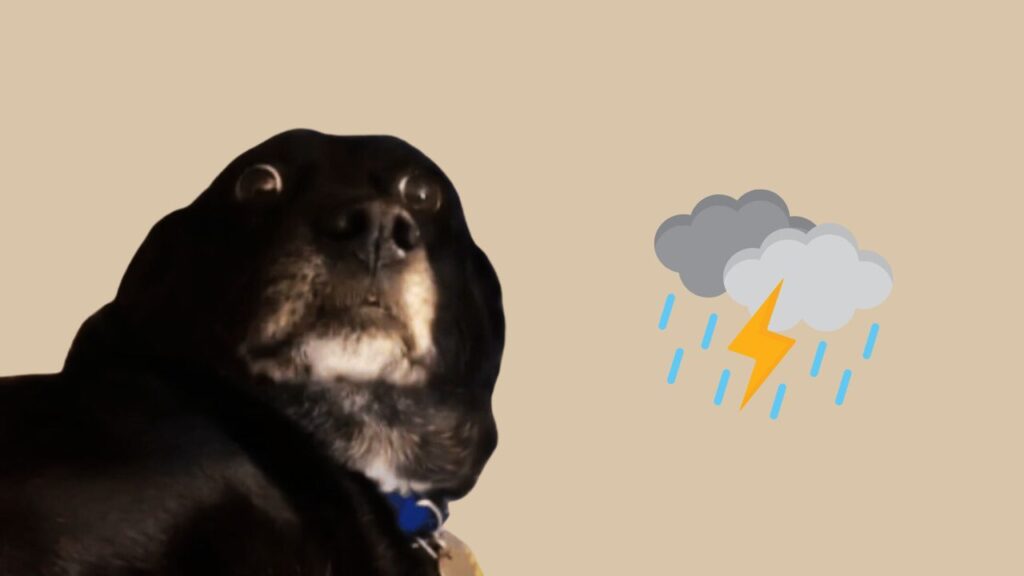
Although experts might not know why dogs are scared of thunderstorms, there are many common causes that can contribute to this fear. Thunderstorms can cause loud, abrupt sounds, fluctuations in atmospheric pressure, and occasionally static electric currents, all of which can cause anxiety for dogs.
Say goodbye to your dog’s stress with the best calming collars for dogs! Explore our top picks for keeping your pet relaxed, cool, and composed in any situation.
1. Loud Noises: A Primary Trigger
Dogs have a very sensitive hearing sense, and blasting, loud sounds from thunder are frightening for them. In contrast to humans, they are unable to recognize that the sound is harmless, which can cause anxiety.
2. Sensitivity to Air Pressure Changes
Dogs are also prone to changes in pressure, which usually occur before and during storms. These fluctuations can create discomfort and increase their stress levels.
3. Static Electricity: An Invisible Threat
A few dogs may be afflicted with a tingling sensation caused by static electricity circulating in the air during a storm. The sensation is uncomfortable and can even add another layer of discomfort. You can calm down your dog during thunderstorm season by foolwing the right tricks and tips.
8 Effective Tips to Calm Your Dog During a Thunderstorm
So, to answer your question, “How can I calm my dog during thunderstorms?” here we are. To benefit your dog, managing the anxiety of a storm is a matter of establishing a safe environment, providing some distraction, or, in certain instances, calming products or medication. Here are eight methods to calm your dog amid the storm:
1. Provide a Safe Space
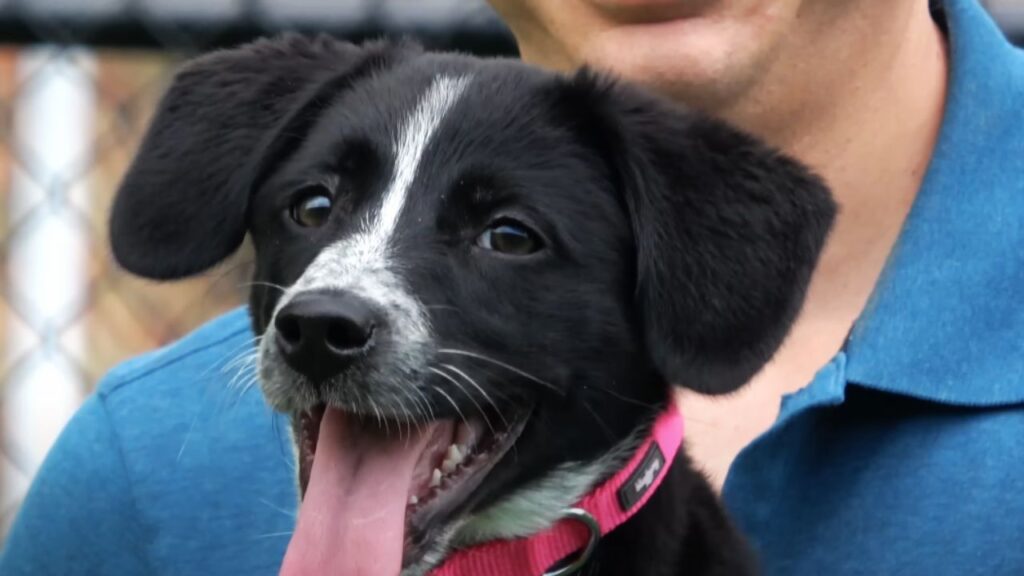
If dogs feel scared, they instinctively search for an area of safety and security in which they feel safe. This could be a dog kennel, closet, or even your bed’s comforter. If you can give your dog an area designated as safe that they can go to in the event of a storm, it could lessen their stress. Be sure that the area is peaceful, cozy, and free of distractions.
2. Stay Calm and Composed
Your dog can sense your emotions; therefore, staying calm and composed is essential amid a storm. Doing too much teasing to your dog when they’re scared may accidentally reinforce their fearful behavior. Instead, remain present without making a loud noise. Reassurance is a gentle way to go without overdoing it since it could send a message to your dog that there’s no need for you to fear.
3. Engage Your Dog in Fun Activities
Involving your dog in things they love can help calm their mind during the turbulence. Engage in activities your dog enjoys, like playing fetch, scrubbing their coat, or sharing a special reward. The idea is to divert their attention from the chaos towards something more positive.
4. Use a Thundershirt
The Thundershirt is comfortable, snugly-fitting clothing that wraps around your dog by applying gentle, constant pressure, similar to swaddling a newborn. This pressure may calm some pets, allowing them to feel more secure during a storm. Many dog owners have discovered that Thundershirts greatly reduce their pet’s anxiety associated with storms.
5. Add Some Calm Sounds
Incorporating a storm’s loud, scary sound with calming music, TV, or white noise could drown out the sound and create a more peaceful space for your dog. Certain veterinary behaviorists certified by a veterinary certification suggest playing classical music, which has proven to be calming for stressed pet owners. You can also use a white noise machine to drown out the sound from the storm.
6. Consider Natural Calming Aids
Various natural calming products are available to decrease your dog’s stress amid an erupting storm. For example, diffusers that release pheromones and sprays for calming, as well as herbal supplements such as chamomile or valerian, can be helpful. They are generally safe and are an excellent choice for dogs suffering from moderate to mild anxiety.
7. Create a Schedule
A consistent routine for storms will help your dog feel more comfortable. If your dog is aware of what is expected when a storm strikes and is calm, it will be less nervous. This could mean taking a break in their secure space, playing soothing music, and giving them a treat or a toy. It is crucial to be consistent because it aids your dog in identifying the incident with a predictable, non-threatening sequence of things.
8. Consult Your Veterinarian
If your dog’s fear of storms is intense, speaking with your vet is crucial. In places like the PARC, vets have used anti-anxiety medicines to help dogs manage the stress of storms. These medicines are safe and extremely effective, particularly when used with behavioral strategies. In certain situations there may be a need for a new medication created to tackle the fear of noise. Wondering if shock collars hurt dogs? Dive into the truth behind these controversial tools and find out how they really impact your furry friend.
Understanding Your Dog’s Anxiety: 4 Signs to Watch For
Awareness of the symptoms of anxiety and stress in dogs is the initial step in helping them deal with the rigors of thunderstorms. While some indicators are obvious, other signs can be subtle. Here are a few common indicators of dog anxiety during storms:
1. Trembling and Shaking
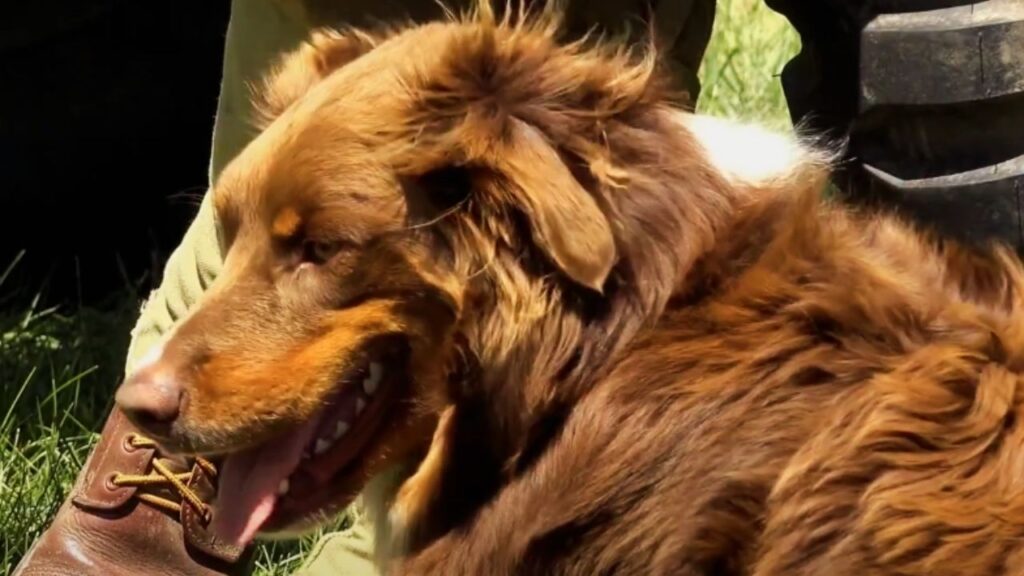
Shaking or trembling is one of the most obvious symptoms of anxiety in dogs. When your pet is shaking or appears to be physically upset, it clearly shows they’re scared.
Drooling and panting excessively, even when not related to exercise or heat, can indicate anxiety. This is your dog’s method of trying to calm down to sleep, but it also suggests that they are stressed.
2. Pacing or Restlessness
If your dog isn’t able to calm down, wanders around, or appears extremely restless, it may suffer from anxiety. This type of behavior can be observed as a dog tries to flee from what it believes is the threat.
3. Destructive Behavior
In extreme situations, dogs may be destructive in a storm by chewing on doors, furniture, and other items. This is due to their anxiety levels and desire to relieve stress.
Dogs afraid of their surroundings tend to seek refuge or find a secure area. It could be as simple as crawling under furniture, burying themselves in blankets, or locating a quiet space to snuggle in.
4. Excessive Barking or Whining
A loud, excessive vocalization, such as whining or barking, can indicate anxiety. Your dog might be trying to convey its stress or warn you of what it believes is a threat.
In a storm, pets may not consume food or drink, whereas others might overeat. If you notice a sudden change in your pet’s food and drinking habits, it could indicate stress. Transform your pet’s meals with tasty and nutritious options! Discover how to enhance your furry friend’s diet with delicious, wholesome ingredients they’ll adore.
Long-Term Strategies for Managing Storm Anxiety
Although the suggestions above may benefit in an emergency, long-term strategies are crucial to manage your dog’s anxiety about storms efficiently. As time passes, you’ll be able to benefit your dog by being less scared of storms by implementing regular training and desensitization methods.
1. Gradual Desensitization
Gradual desensitization is the process of making your dog exposed to the sound of thunder in a calm and non-threatening setting. Begin by playing a record of thunder at a lower volume while playing enjoyable activities like eating or playing with your dog. Then, gradually improve the volume as time passes and your dog gets more at ease. This will help your dog to associate thunder with positive experiences rather than a fearful one.
2. Counterconditioning
Counterconditioning is a method of changing the dog’s emotional reaction to storms. For example, if your dog is familiar with thunder through an expensive treat or their preferred toy, they could become more accustomed to seeing storms as less scary. The trick is to reward your dog’s calm behavior in an event and reinforce the notion that thunder isn’t something to be worried about.
3. Consistent Training
Training your dog to obey simple commands in the storm will help your dog feel safer and more at ease. Commands like “sit,” “stay,” and “come” can add structure and benefit your dog’s attention by redirecting it away from the chaos. The training sessions must be brief and positive, enhancing dogs’ ability to stay at peace even in stressful situations.
4. Occupational Behavioral Therapy
If your dog has severe anxiety due to storms, skillful behavioral therapy may be required. A certified dog behaviorist can collaborate with your dog and you to design a specific program to address their particular anxieties. This could involve a combination of counterconditioning, desensitization, and other techniques for modifying behavior.
Keep your dog’s teeth sparkling with the best toothbrushes for dog’s teeth on the market! Find top-rated options for effective brushing and a healthier smile for your beloved pet.
Conclusion
The threat of thunderstorms can cause extreme anxiety for many pets, but with the correct strategy, it is possible to help your dog manage stress better and more energetically. Understanding the root of your pet’s fear and using the methods described in this article will provide a more calming environment for your pet during storms. I hope your question is answered: How can I calm my dog during thunderstorms?
Keep in mind that each dog is unique, and it could be a bit of trial and error before you can find the techniques that will work for your dog. Whether it’s establishing a secure space together in the Thundershirt or even consulting your vet, There are a variety of ways to assist your dog in overcoming the fear of storms.