
When people encounter a dog, they typically focus on its appearance, behavior, or breed rather than its accessories, such as collars or leashes. However, a dog’s collar color can be an essential indicator of its temperament or special needs.
The red collar is particularly significant, carrying an important message that many people might not be aware of. So, what does a red collar on a dog mean? Dogs with sensitive skin need special care; explore the best dog collars for sensitive skin to keep your pet comfortable.
What Does a Red Collar on a Dog Mean | Caution!
To answer your question: what does a red collar on a dog mean? A red collar, bandana, or leash is often used as a signal to those around that the dog requires space and should be approached with caution. Much like how the color red is universally associated with “stop” or “warning,” a red collar on a dog conveys a similar message. Ensuring your dog’s collar sits correctly is essential for their comfort and safety; learn more about the proper collar placement.
A red collar indicates that the dog may be aggressive or reactive and needs to be given space from both people and other animals. This doesn’t necessarily mean the dog is aggressive all the time, but it could have a history of snapping, biting, or showing protective behavior, especially when outside its home environment.
The use of red collars is not just a modern trend; it has been utilized in professional settings for some time. For instance, the National Association of Canine Scent Work endorses the use of red bandanas or collars to warn others to maintain a respectful distance, allowing the dog to participate in activities with minimal stress and risk.
How to Respond When You See a Dog with a Red Collar?
If you encounter a dog wearing a red collar, it’s essential to exercise caution. While it doesn’t always mean you should stay completely away, it does mean that you should approach the dog with care and, most importantly, ask the owner for permission before attempting to interact with the dog.

It’s always a good practice, regardless of the collar color, to ask the owner before petting any dog, but with a red-collared dog, this step is particularly crucial. If you have a large dog, finding the best e-collar can make training more effective and humane.
The Origins of Color-Coded Dog Collars
The practice of using color-coded collars to communicate a dog’s behavior or needs has historical roots. The concept is similar to the use of red ribbons on horses in equestrian shows, which signal that the horse may kick if approached too closely. Inspired by this practice, dog trainer Terry Ryan initiated the “Dog Yellow Project” in Australia in 2000.
The project introduced the use of yellow leashes and collars to indicate that a dog needs space due to shyness, nervousness, or recovery from surgery. Over time, this idea expanded to include other colors, each with its specific meaning.
What Do Other Different Collar Colors Mean?
Today, there is a wide range of colors used on dog collars, each with a specific meaning that helps communicate the dog’s behavior or needs to those around it. Here are some of the most common colors and their meanings:
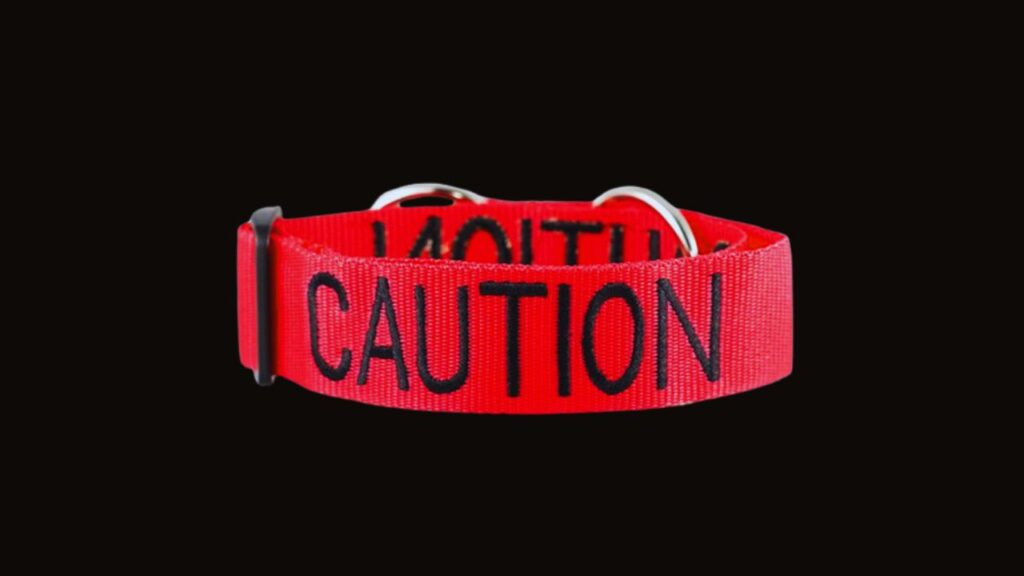
1. Red Dog Collar – Caution
A red collar signifies caution. Dogs wearing red collars should be given space, as they may be aggressive or reactive toward people or other dogs. The red collar is a clear signal that the dog needs to be approached with care, and it’s best to avoid getting too close unless you have explicit permission from the owner.
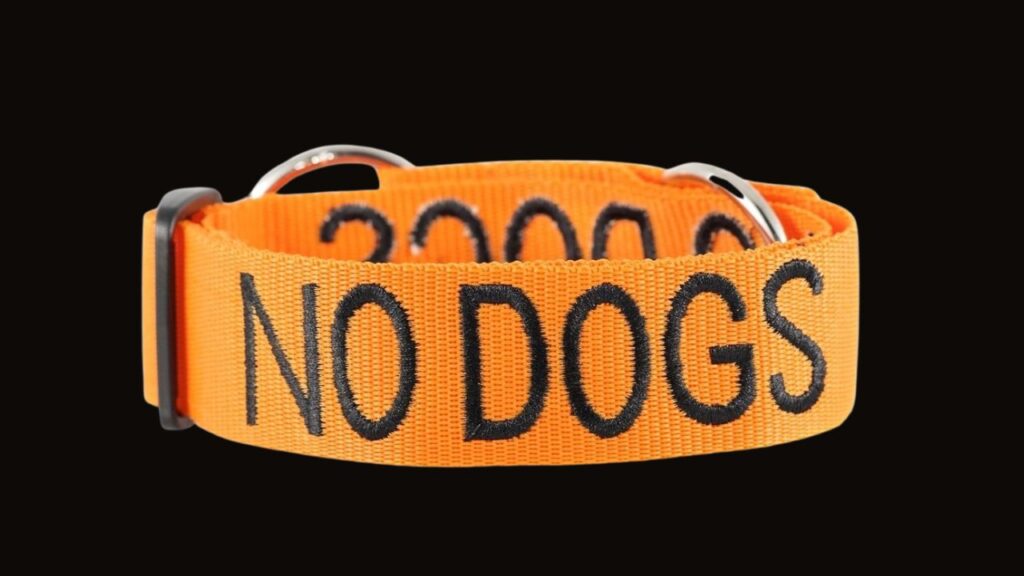
2. Orange Dog Collar – No Dogs
Dogs with an orange collar are usually friendly towards people but may not get along well with other dogs. If you see a dog with an orange collar, you should keep your dog at a distance to avoid potential conflicts. If you are without a dog and wish to pet the dog, always ask the owner first.
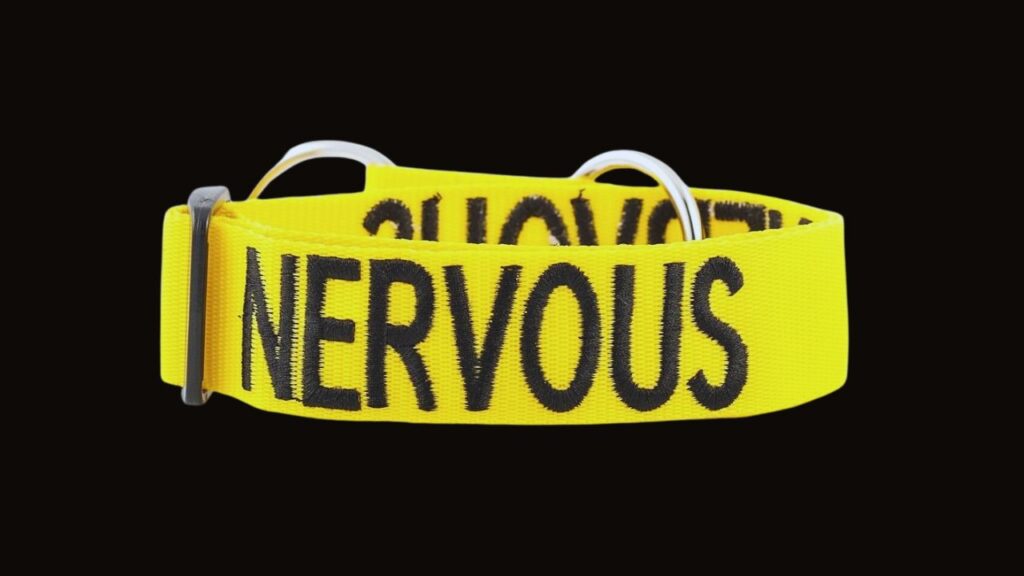
3. Yellow Dog Collar – Nervous/Adoption
A yellow collar indicates that the dog may be nervous, anxious, or in need of space. These dogs might be recovering from an injury, trauma, or surgery, or they might be naturally shy or fearful. Some dogs wearing yellow collars may also be up for adoption, with the collar serving as a signal to potential adopters.
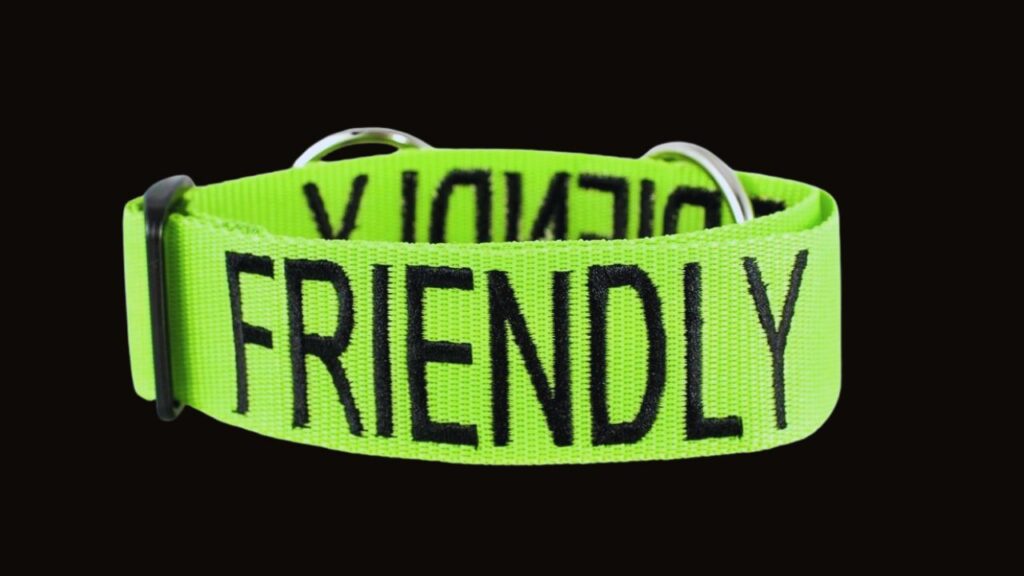
4. Green Dog Collar – Friendly
A green collar generally signifies that the dog is friendly and enjoys interacting with people and other dogs. However, even with a green-collared dog, it’s polite to ask the owner before approaching or petting the dog.
5. Blue Dog Collar – Training/Working
Dogs wearing blue collars are often working dogs, service animals, or dogs in training. These dogs need to focus on their tasks and should not be distracted by people trying to pet them. It’s important to respect their role and give them the space they need to perform their duties.

6. Purple Dog Collar – Do Not Feed
A purple collar typically means that the dog should not be fed. This could be due to food allergies, dietary restrictions, or medical conditions that require a specific diet. If you see a dog with a purple collar, refrain from giving it any treats or food, no matter how tempting it might be.
7. White Dog Collar – Deaf/Blind
A white collar is often used to indicate that the dog has a disability, such as being deaf or blind. These dogs require special consideration because they may not be able to hear or see you approaching. It’s important to move slowly and avoid startling them.
8. Pink Dog Collar – Fashion
While pink collars are often used purely for fashion, they are also commonly associated with female dogs. Pink collars are popular among owners who want their dogs to have a cute or feminine appearance.
9. Black Dog Collar – General
A black collar does not typically signify any specific behavioral trait or need. Many dog owners choose black collars because they are versatile and stylish, matching well with different types of coats and other accessories.
The Popularity and Importance of Dog Collar Colors
While different countries may have varying preferences for dog collar colors, red, yellow, and green are among the most popular worldwide. These colors communicate crucial information that can help prevent accidents and misunderstandings between dogs and people.
The use of these color-coded collars has gained widespread acceptance as an effective way to promote safety and awareness in public spaces where dogs and people interact. Wondering if barking collars actually work? Here’s what you need to know.
Concerns and Considerations When Using Color-Coded Dog Collars
Using color-coded dog collars is an effective way to communicate a dog’s behavior or special needs to others. However, there are several important concerns and considerations to keep in mind to ensure this system works effectively:
- Not everyone is familiar with the meaning behind color-coded collars. Educating the public, especially in your local community or dog-walking areas, is crucial to ensure that people understand the significance of different collar colors.
- Misinterpretations can occur, such as someone not recognizing the warning that a red collar represents and inadvertently approaching a reactive or aggressive dog.
- For the color-coded system to be effective, it’s essential that dog owners use the appropriate color consistently. A mismatch between the dog’s behavior and collar color could lead to confusion or accidents.
- Standardizing the color meanings across different regions and communities could help reduce misunderstandings.
- The color of a collar alone doesn’t convey the full story of a dog’s behavior or needs. It’s still important for dog owners to communicate directly with others, especially if their dog has specific triggers or sensitivities that the collar color might not fully express.
- Dogs’ behaviors can change over time, so regularly reassessing and updating the collar color as needed is important.
- Some people might assume that a dog with a red collar is inherently dangerous, which can lead to unfair stigmatization of the dog. It’s important to approach the use of these collars with sensitivity to avoid reinforcing negative stereotypes, particularly with certain breeds.
Conclusion
The use of color-coded dog collars is an innovative and practical way to communicate a dog’s behavior, needs, and personality to those around them. A red collar, in particular, serves as a clear warning to give the dog space and approach with caution. By understanding the significance of different collar colors, you can interact with dogs more safely and respectfully, whether you’re a dog owner, walker, or simply an animal lover.
Remember, no matter what color collar a dog is wearing, always ask the owner for permission before petting or interacting with their dog. Hope so, now you know what does a red collar on a dog mean.